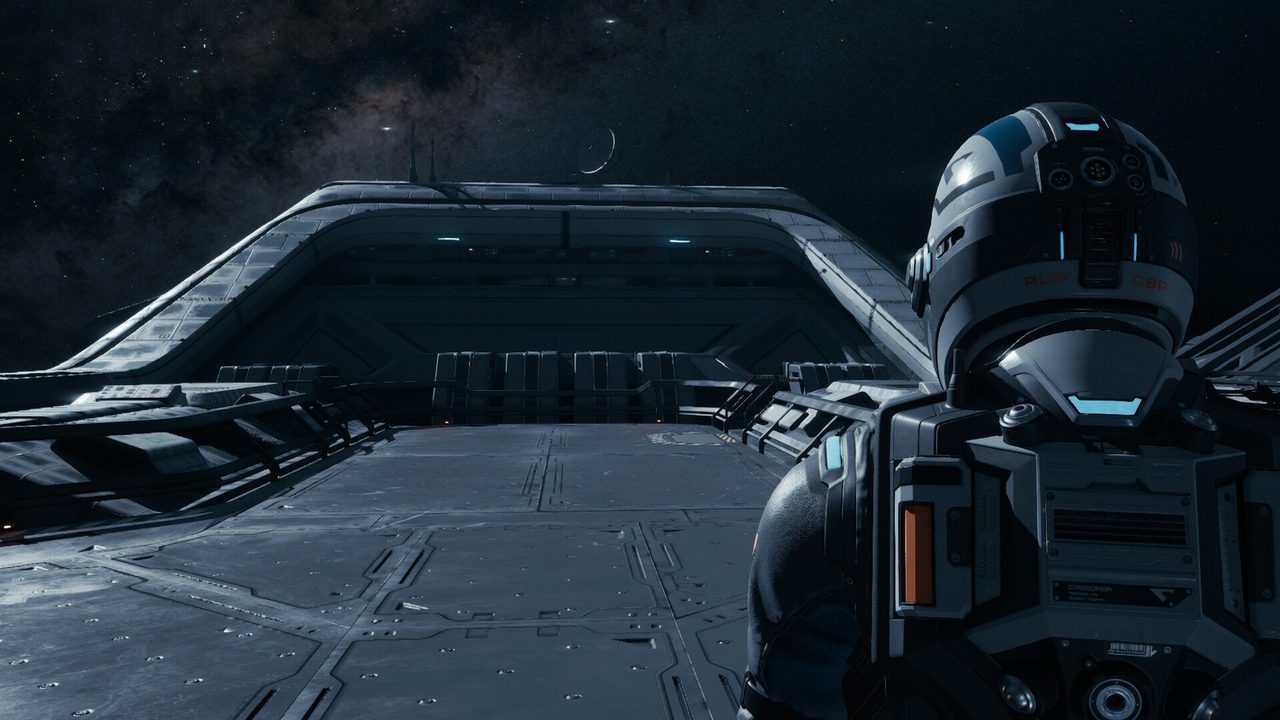
What Kind of Game Is This?
Directive 8020 is the fifth entry in The Dark Pictures Anthology, from the studio behind Until Dawn and The Quarry. It is a cinematic, choice-driven sci-fi horror: you play through eight episodes as five crew members of the colony ship Cassiopeia, which has crash-landed on Tau Ceti f. An alien organism can mimic any crew member, so trust is the rarest resource aboard.
Explore → scan & observe → choose (or QTE) → see consequences → rewind if you change your mind. Unlike most games, failure rarely means a reload — it means someone dies, and the story moves on without them.
Turning Points — the Rewind System
Turning Points is this game's signature mechanic. At any moment you can open the menu and rewind a decision, branching the story from that point. It means:
- You can see both outcomes of a major choice in one playthrough.
- Missed collectibles and failed QTEs are recoverable without restarting.
- Use the game’s supported Turning Points and replay options to explore another branch. The previous reference to a Curator’s Cut or Shared Story route was not supported for Directive 8020.
Explore mode gives you more generous Turning Point availability; Survival mode restricts it. Pick Explorer for a first run.
Play Modes & Multiplayer
- Solo — the full story, all choices yours.
- Movie Night — pass-the-pad with up to 5 players; each controls a crew member. Has its own trophy.
- Use the game’s supported Turning Points and replay options to explore another branch. The previous reference to a Curator’s Cut or Shared Story route was not supported for Directive 8020.
- Use the game’s supported Turning Points and replay options to explore another branch. The previous reference to a Curator’s Cut or Shared Story route was not supported for Directive 8020.
Use the game’s supported Turning Points and replay options to explore another branch. The previous reference to a Curator’s Cut or Shared Story route was not supported for Directive 8020.
QTE & Stealth Survival
- Rhythm QTEs — Episode 4's power surge is a three-stage rhythm; failing stage 2 kills Thomas immediately.
- Button-chain QTEs — Episode 5's Loadlifter is five inputs with no margin; a single fail can cost Naomi or Riley.
- Stealth sections — hold position, read the mimic's patrol, move on the gap. Being caught is a death trigger in several spots.
- Accessibility options can make QTEs auto-pass — great for story-first players and for the save-everyone route.
The single hardest check is Episode 5's Loadlifter chain — practice the rhythm with a wired controller before attempting a clean run.
What Carries Between Runs
- Destinies — each character has two Destiny paths (e.g. Eisele: Humanitarian vs Scientist). Unlocked Destinies are tracked across runs.
- Collectibles — 50 secrets, 10 Simms' Recordings and Curator's secrets persist; the menu shows per-category counts.
- Chapter select — after first clear, replay any episode from the menu to fix missed choices without a full restart.
Next: Full Walkthrough — all 8 episodes →
What carries between runs
Chapter select, the collectible counters and the trophy cabinet persist across runs; trust scores and Destiny tracks are per-run by design, so a second pass is a genuine fresh choice space rather than a grind. That split is what makes the two-run plan work: run one is for the story and its instincts, run two is for the aimed outcome, and nothing in the first run's mistakes is permanent.
FAQ
Is multiplayer the same story?
The shared-play mode keeps the same eight episodes and forks, with players passing control at decisions and QTEs. It is a genuinely different experience rather than a bolt-on, but for trophy and ending work the single-player seat is cleaner: one player owns every choice, which keeps Destiny tracking and trust scores coherent.
FAQ
How scary is it, really?
It is atmospheric sci-fi horror rather than shock horror: the tension comes from the mimic premise (anyone can be replaced), the QTE and stealth survival beats, and the knowledge that choices are permanent on a blind run. There are jump scares, but the game's signature dread is decision-based — the horror of committing to a choice about who to trust.